“Your intelligence doesn’t define your success” -Seth Horry
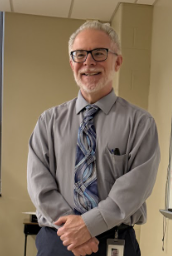
Mr. Horry is not the type of teacher who fits neatly into stereotypes. He is honest, practical, and refreshingly direct about why he teaches and how he approaches his classroom. Currently in his seventh year of teaching here at Pottsgrove High School, Mr. Horry brings a grounded perspective to education. One that prioritizes effort, balance, and authenticity over perfection.
Mr. Horry received his teaching degree from West Chester University of Pennsylvania. Although he was born in Long Beach, California, he moved away when he was just two years old and has spent most of his life in Pennsylvania. Despite briefly dreaming of a future as a physicist, Mr. Horry ultimately chose a career path that allowed him to live a “balanced and fulfilling life.”
When I asked who inspired him to become a teacher, as I feel there’s always an inspiration behind the person, Mr. Horry’s answer was surprisingly blunt: “No one”. Rather than being driven by a single mentor or childhood hero, he explained that teaching appealed to him because it is “a way to make money that is good for my mental health.” This honesty reflects one of Mr. Horry’s defining qualities, his belief that careers should support a person’s well-being, not consume it.
That philosophy extends into how he views education itself. According to Mr. Horry, the most important quality a student can have is not intelligence, but effort. “You have a certain amount of intelligence,” he explained, “but that doesn’t mean you’re going to succeed”. Instead, success comes from applying that intelligence through consistent effort. He emphasized that students who struggle academically can still succeed if they try, while students who are naturally smart but disengaged may fail. This mindset shapes the way he interacts with students, encouraging growth rather than perfection. A “tortoise and the hare” outlook on students and how they treat their education.
Mr. Horry currently teaches wood shop, broadcasting, and robotics, the subjects he chose because he genuinely enjoys them! I had always wondered what dictates his curriculum, and to my surprise, the school doesn’t strictly control what he teaches. While standards are beginning to roll out for younger grades, the program of study and his own interests largely guided his curriculum. This freedom allows him to design lessons that are engaging and meaningful, both for himself and for his students. His enthusiasm for the subject creates a classroom environment where students are more likely to stay invested and feel properly supported!
When offering advice to incoming teachers, Mr. Horry focused on boundaries and support. He strongly advised teachers not to work outside their contract hours, emphasizing the importance of maintaining a healthy work-life balance. He also encouraged new educators to seek help when they need it and to talk with “mentor teachers” rather than trying to do everything alone. This advice reflects his broader belief that teaching should be sustainable, not overwhelming.
Teaching, according to Mr. Horry, has given him structure and freedom. It allows him to leave work at a reasonable hour, enjoy his summers, and still afford his lifestyle. Although he acknowledged that careers in physics or engineering could earn him more money, he chose teaching because it offers balance and enjoyment. Most importantly, he finds interacting with students genuinely fun.
Mr. Horry’s approach to teaching is rooted in realism, respect, and effort. By valuing balance, encouraging hard work, and staying true to himself, he demonstrates that great teachers do not need to be idealized heroes. Sometimes, they are simply honest people who care about their students and know how to live a life they enjoy, both inside and outside the classroom.